

HMRC launches new residence tool
Your residence for tax purposes is determined by the statutory residence test (SRT). Following the test can be long-winded, but HMRC has launched an online checking tool that can simplify things. How do you use it?
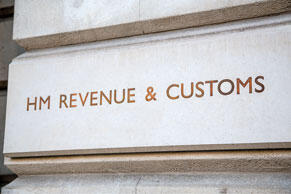
HMRC’s new “Check your UK residence status” tool can be used to check your tax residence going back to 2016/17. It's basically an interactive run through of the SRT. It works by asking a series of questions to determine whether you were definitively non-resident, definitively UK-resident, or resident under the tiebreaker test, based on the answers you give. You will need to know the number of days you were in the UK, and potentially provide other information, e.g. how many days you worked full time in the UK in the year you are checking. The tool has helpful dropdown sections providing concise guidance on key terms, e.g. “What could a home be?”.
In related news, HMRC is writing to a number of taxpayers who claimed to have been in the UK due to “exceptional circumstances” during the pandemic. This affects the 2020/21 tax returns, and HMRC has reported seeing a number of errors. If you receive a letter, you will probably be prompted to submit a revised return within 60 days. If you use an accountant or tax advisor, you should contact them immediately.
Related Topics
-
Founders' relief: a closer look
The Budget's new Founders' Relief sounds remarkably generous, offering a 10% capital gains tax rate on up to £10 million of gains from selling shares from April 2027. However, a closer look at the proposed qualifying conditions suggests that relatively few business owners will benefit. Why might the relief be so difficult to claim?
-
MONTHLY FOCUS: 2026 BUDGET SPECIAL
Budget 2026 contains a mixture of tax rises, new reliefs and changes to the way businesses and individuals will be taxed from 2027 onwards. Savings and property income will face higher rates, the lifetime limit for Business Asset Disposal Relief will fall, a new founders' relief is planned and several allowances and business incentives are changing. Which measures matter most, and is there anything you should do before they take effect?
-
Autumn Budget 2026 – what are the key tax announcements?
The Chancellor delivered the Autumn Budget on 28 October, announcing a mixture of tax increases, new reliefs and changes to the way tax is administered. Although the headline rates of income tax, National Insurance (NI) and VAT remain unchanged, there are some significant changes affecting business owners, landlords and private individuals. What are the main announcements?



 This website uses both its own and third-party cookies to analyze our services and navigation on our website in order to improve its contents (analytical purposes: measure visits and sources of web traffic). The legal basis is the consent of the user, except in the case of basic cookies, which are essential to navigate this website.