

HMRC to contact representatives over NI refunds for deceased taxpayers
HMRC has updated its guidance to confirm that it will write to representatives of deceased individuals where it believes too much NI has been paid. What should you expect if you receive such a letter?
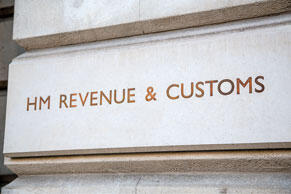
The updated guidance states that HMRC will contact personal representatives where it identifies a potential overpayment of NI by the deceased. The letter will invite the recipient to make a claim for a refund of the contributions paid. This reflects HMRC’s increasing use of its own data to identify overpayments and prompt repayment claims. In this case, the process is initiated by HMRC, rather than requiring the representative to identify the issue themselves.
For those dealing with an estate, the practical point is that such correspondence may be genuine and should not be overlooked. As with any unexpected communication, it is important to verify the letter before taking action, but the updated guidance confirms that HMRC may proactively contact representatives in these circumstances.
If a letter is received, the representative should review the details carefully and follow the process set out for claiming the refund. Taking action promptly can ensure that any overpaid NI is recovered and forms part of the estate.
Related Topics
-
Updated guidance on mandatory payrolling of benefits in kind
Much like the rollout of mandatory payrolling of benefits in kind, HMRC guidance on the matter is coming in dribs and drabs. What's the latest?
-
Give your children a cheap mortgage
Your son is struggling to get on the property ladder and current mortgage interest rates are making it harder. You’re over the inheritance tax (IHT) threshold but you’re reluctant to give him the money because you’ve heard horror stories about others losing half of it in a divorce. Is a family loan the solution for both of you?
-
Loan Charge settlement offers begin to land
HMRC has begun sending formal settlement offers to individuals and employers with outstanding Loan Charge liabilities, alongside detailed new guidance explaining how offers will be calculated and how long recipients have to respond. What’s the full story?




 This website uses both its own and third-party cookies to analyze our services and navigation on our website in order to improve its contents (analytical purposes: measure visits and sources of web traffic). The legal basis is the consent of the user, except in the case of basic cookies, which are essential to navigate this website.